
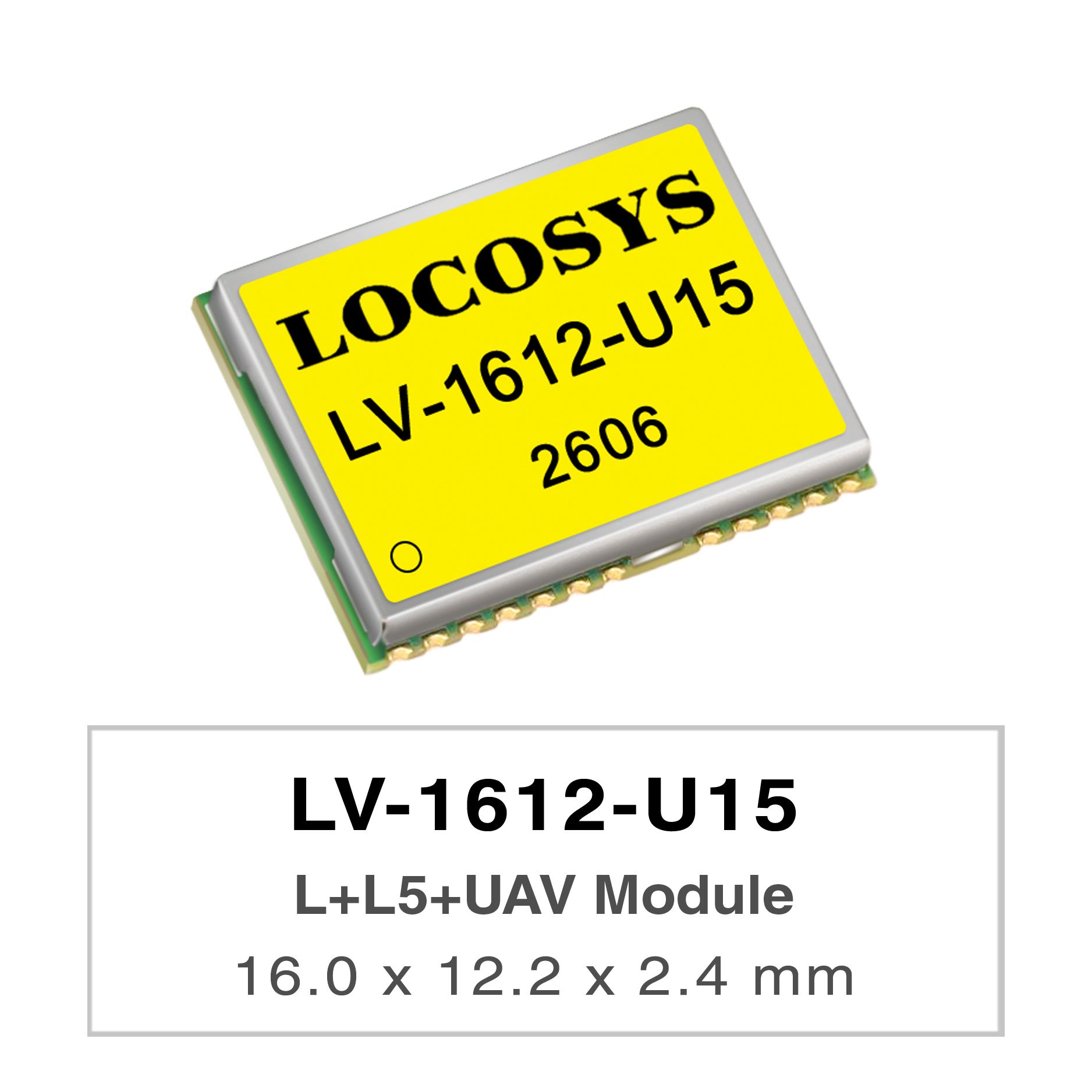
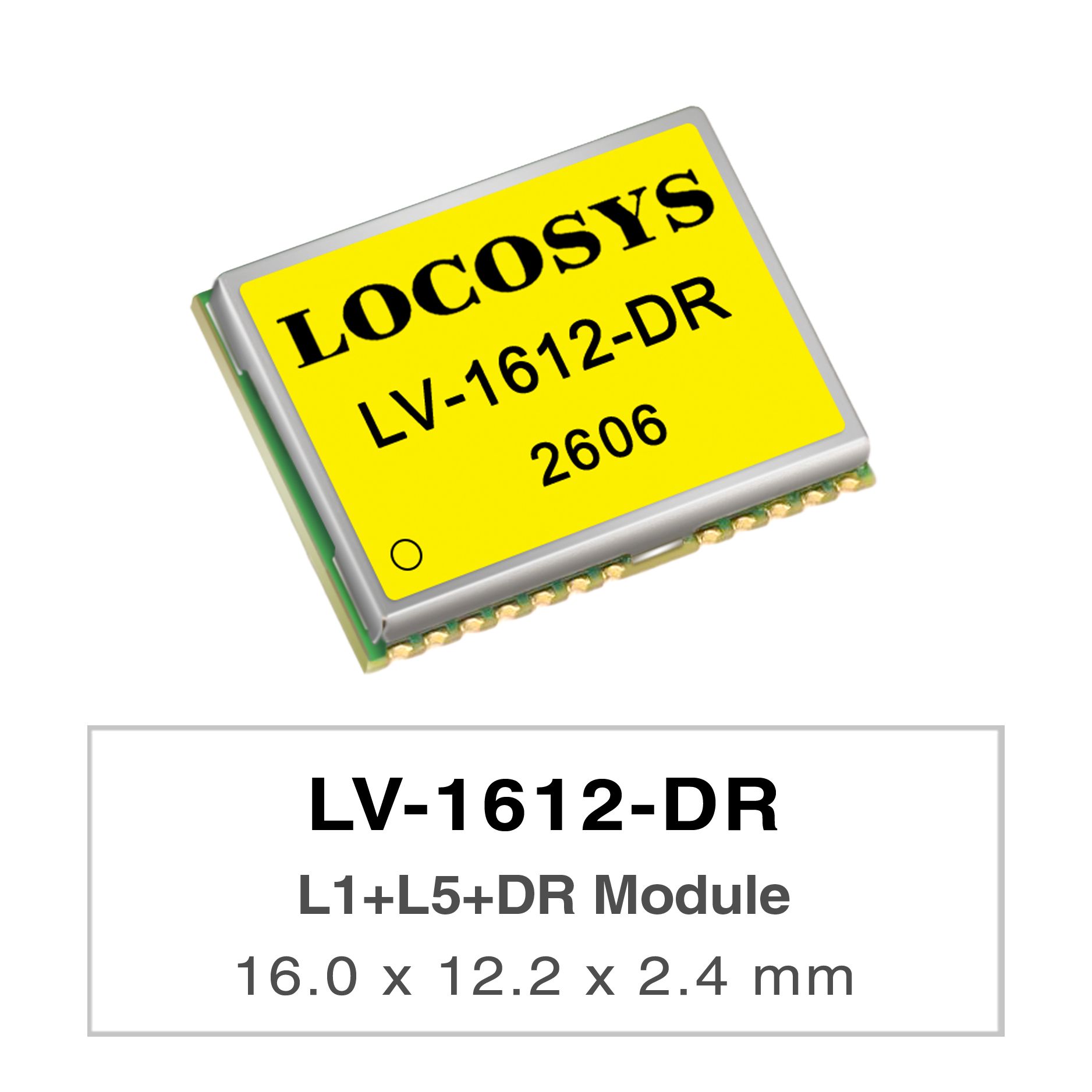
ADR / UDR Modules
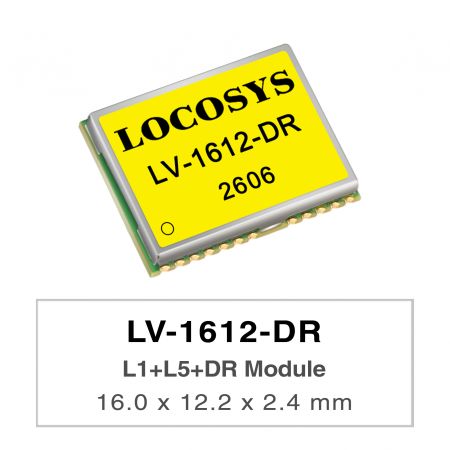
Dead Reckoning Modules
Dead Reckoning (DR)
Introduction
LOCOSYS Dead Reckoning module is the perfect solution for automotive application.
Dead Reckoning Technology
Currently, vehicles are usually positioned using the Global Positioning System (GPS/GNSS)
However, in practical applications, GNSS satellite signals are not completely reliable under high buildings, overpasses, basement parking lots, tunnels, dense trees and other sheltered environment which can reduce the positioning accuracy. Therefore, if you want to improve the accuracy of navigation, Dead Reckoning navigation becomes necessary.
Dead Reckoning Combining with GNSS
The perfect combination of Dead Reckoning and GNSS is a perfect match for automotive navigation. Combining with GNSS signal, gyro steering information and CAN-Bus speed / pulse estimation, seamless real-time accurate positioning is achieved.
Furthermore, the application of Dead Reckoning technology by LOCOSYS is good news to the car owners. Because even in the process of driving when GNSS signal is lost, they can accurately navigate and locate.
TAG: DR Modules, Dead Reckoning(DR), Dead Reckoning Techology, GNSS Modules

Press Release
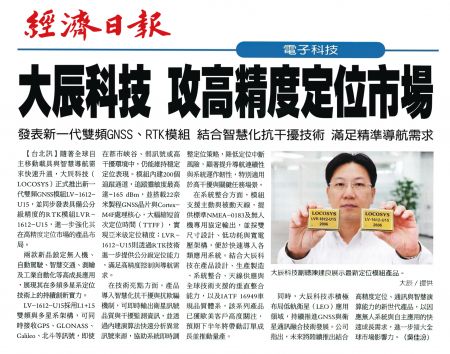 LOCOSYS Targets High-Precision Positioning Market
As global demand for autonomous mobile platforms and intelligent navigation continues to surge, LOCOSYS Technology has officially launched its new-generation dual-frequency GNSS module,...
Read More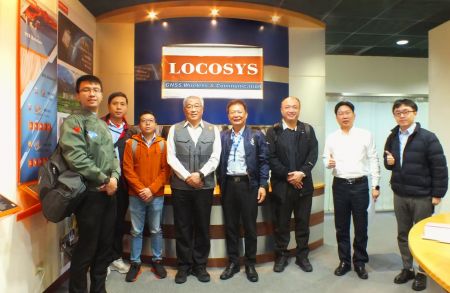 Taiwan Excellence Drone Alliance Visits LOCOSYS Technology, Focusing On Global Positioning Technology And Drone Applications
The Taiwan Excellence Drone Overseas Business Alliance, led by Yen Tung-Piao,visited a leading smart manufacturing enterprise with a delegation includingrepresentatives from AIDC, the Industrial...
Read More LOCOSYS Showcases Advanced Smart Positioning Technology At New Taipei Electric Vehicle Supply Chain Expo
To promote the development of Taiwan's electric vehicle (EV) industry and enhance international collaboration, the New Taipei City Government hosted the Electric Vehicle Supply Chain Expo...
Read More